Central Berkshire's MCAS Scores Rank Higher than StateBy Sabrina Damms, iBerkshires Staff
12:07PM / Monday, December 01, 2025 | |
DALTON, Mass. — Central Berkshire Regional School District is one of 13 districts in the state recognized for exceeding pre-pandemic MCAS scores.
"Central Berkshire is also beating the state in percentages of students meeting or exceeding expectations [and its] science scores are the best in the county," said Ellen Lattizzori, curriculum subcommittee chair.
Rather than holding a three-hour meeting, the district decided to present the data on each school during a curriculum subcommittee meeting last month. Lattizzori summarized the data during the School Committee's Nov. 20 meeting.
At least 50 percent of students without disabilities received scores that are meeting or exceeding expectations, which shows that the district's high-quality curriculum choices are working, she said.
Based on 2024 Massachusetts Comprehensive Assessment System scores, the district's growth score for English language and arts is 53 and for math 64; anything above 60 is considered high growth.
It was also highlighted how Nessacus Regional Middle School was a school of recognition for 2025.
Overall results statewide are still lower by about 10 points than they were pre-pandemic.
Low-income students are achieving higher levels in all but one district in the county; 40 percent of the Central Berkshire district is considered low-income, she said.
Students with disabilities came in third in the county and beat state-level scores for this group.
"However, very low percentages of these students are meeting or exceeding expectations in terms of actual scores when compared to our students overall," Lattizzori said.
Although the scores showed significant gains it also demonstrated the gaps within the system for students with higher needs.
According to the data, 96 percent of students with disabilities fall into the "not meeting expectations" category and 74 percent of students without disabilities are meeting or exceeding expectations.
"There are systemwide gaps in special education that grew significantly at the middle school level, especially in ELA," she said.
There are two main areas that need attention: first, special educators require more instructional face time with their students; second, the need to enhance opportunities for collaboration between special educators and general educators to support students more effectively, Superintendent Michael Henault said.
A more comprehensive report on this will be presented at the December School Committee meeting.
To address the cause of the gap will require restructuring of the "strict" Individualized Education Program compliance policies and that will require significant effort to provide time for special education and general education teachers to collaborate on each student.
"In almost every grade level, in every subject," Henault said.
The only areas in which the district was not above the state average was its fourth grade ELA class, which was below, and the 10th grade ELA class, which was at the state level.
The fourth-grade class is an outlier in the data, said Henault, and includes students who were in kindergarten during the pandemic.
"The hardest group has been the students that didn't learn to read when they were in kindergarten … I know that as a cohort, teachers have worked really hard to build basic literacy skills at more than a grade level per year," he said.
These students essentially lost a big chunk of preschool, if they were in preschool, and all of kindergarten, he said.
"Whether or not those students were over-identified for having disabilities based on deficits that were caused by the pandemic is likely what we're seeing but we have to intervene a little bit differently with that grade level," Henault said.
According to the data, the gap between students with disabilities and all students is larger than the state and students with disabilities are achieving at lower levels than the state.
There are systemwide gaps in special education that grow steadily from third to sixth grade and then remain. The gap for ELA is widening.
The district is navigating ways it can add to its targeted intervention support for 20-30 percent of students who are not meeting or exceeding expectations and do not get intense intervention services.
The three elementary schools in the district identified various techniques to support high-needs students, close the gap with general education students, and increase overall achievement.
Becket Washington Elementary plans to use reading and literacy programs iReady and Amplify, and classroom data to improve ELA and math achievement.
They will enhance social emotional learning, counseling support, and family engagement, while coordinating between special and general education interventions to close the achievement gap for students with disabilities. There will also be bi-monthly data meetings to analyze student needs and how to address them at all tier levels.
Craneville Elementary plans to redesign the K-12 Multi-Tiered System of Supports to increase targeted interventions, reduce chronic absenteeism, and provide an equitable support system for the academic, social and emotional needs of all students.
At Kittredge Elementary, overall achievement dipped by 1.6 in ELA, and 0.3 in math. High-need students dropped 4 points in ELA and 3.4 points in math despite the increase in its lowest performing cohort. ELA was low for all subgroups.
According to the presentation, the school plans to integrate district social emotional learning curriculum, schedule consistent social emotional learning instructional time, shift to iReady Math for targeted remediation, and expand family/volunteer opportunities. Additionally, a full-time equivalent ELA Interventionist will be added to personnel.
Nessacus Regional Middle School plans to provide dedicated academic and IEP-aligned support for students with disabilities, have professional development on iReady, Amplify, and DIBELS (Dynamic Indicators of Basic Early Literacy Skills) to equip teachers with diagnostic-driven Tier II/III interventions that are explicitly designed to close gaps for students with disabilities.
They also plan to have regular diagnostics and progress?monitoring cycles identify where SWD are falling behind and trigger timely supplemental instruction.
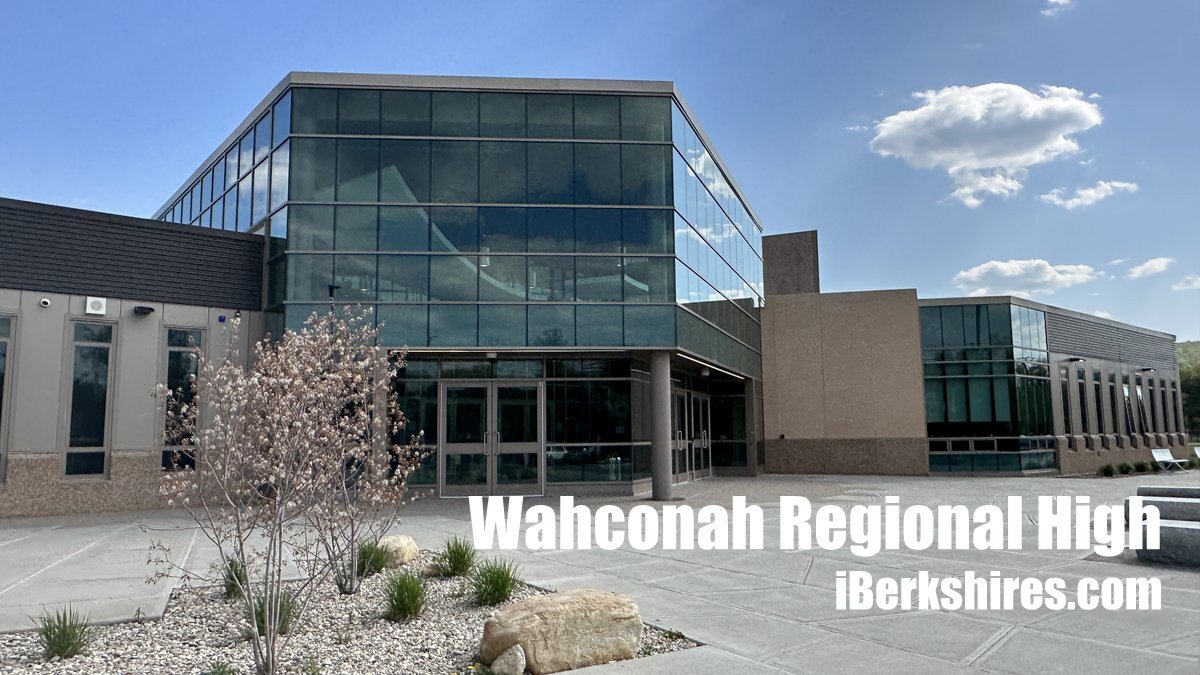
Wahconah Regional High School will expand the multi-tiered system of supports so that academic, social-emotional, and behavioral interventions are aligned across all tiers, giving students with disabilities more systematic access to intensive help.
Additionally, it will pinpoint the most critical standards and spread effective instructional practices school?wide.
The presentation showcased the importance of collaborative planning during which teachers, special-education staff, and administrators work together to align IEP goals with districtwide standards and Multi-Tiered System of Supports interventions.
|